10 Dropshipping Niches I'm Researching in 2025 (My Beginner's Notes)
As part of my journey to earn online, I’ve been researching dropshipping as a potential business model. But I’ve learned that the most critical first step, where most beginners fail, is choosing the right niche.
This post is not a guide from a proven expert. It is a summary of my personal research into ten dropshipping niches that seem promising for a beginner in 2025, based on market data and trend analysis. I’m sharing my findings and my own thought process. This is a look into my research notebook.
What I Learned About Choosing a Profitable Niche
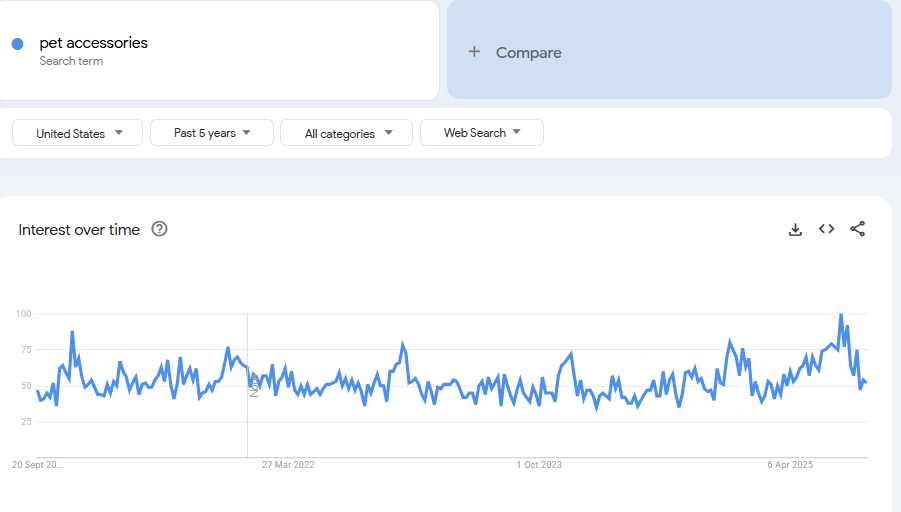
Before listing the niches, here’s what my research taught me about what makes a niche good. It’s a balance of three things: stable demand (evergreen, not just a passing trend), reasonable competition, and a good profit margin (where you can sell a product for at least 2-3 times its sourcing cost). My research also showed that focusing on niches where customers are likely to buy again is key to building a sustainable business.
Table of Contents
My Research on 10 Promising Niches for Beginners
1. Eco-Friendly and Sustainable Products
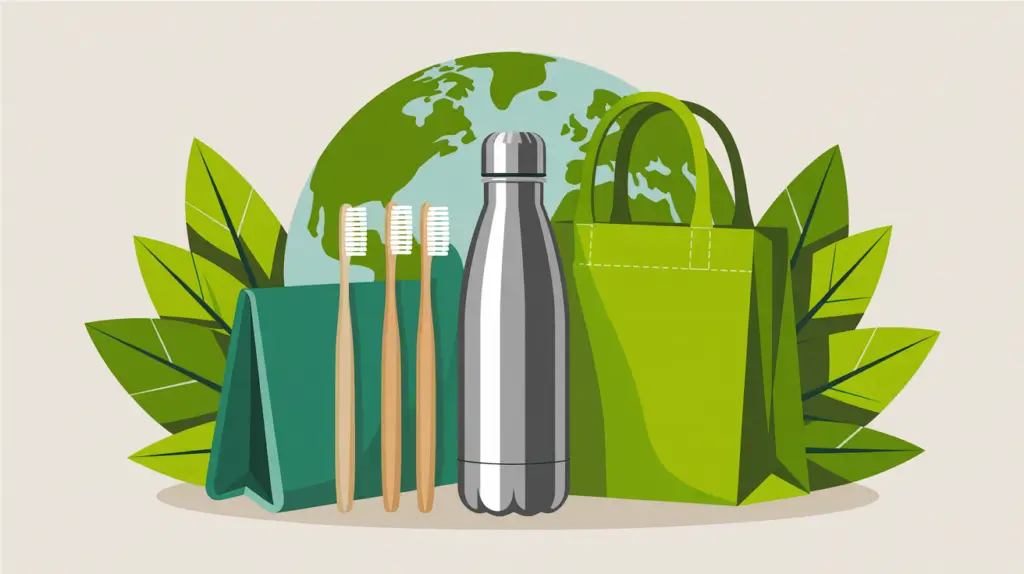
My Research Findings: This niche is growing fast. I found data from Statista that predicts huge growth. It seems Gen Z and Millennial customers are driving this trend. I also watched a YouTube case study about a beginner who successfully sold bamboo products on Shopify. My Takeaway: I like this niche because of the potential for repeat customers. However, I also learned that finding genuinely eco-friendly suppliers is crucial to avoid “greenwashing” and maintain trust.
2. Pet Accessories and Smart Gadgets
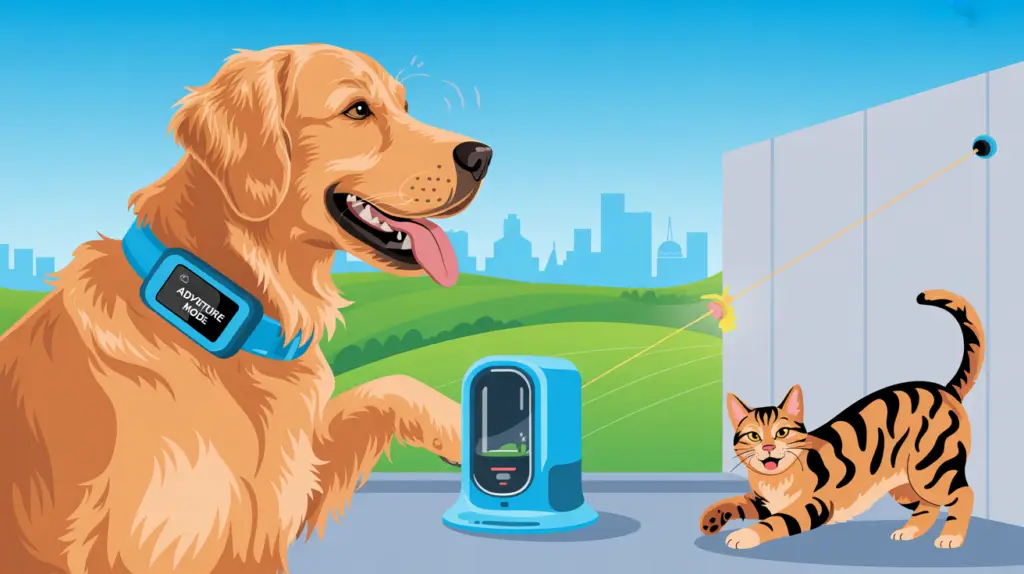
My Research Findings: My research shows the pet industry is a massive, evergreen market. People treat their pets like family. I saw that smart gadgets like GPS collars and automatic feeders are very popular. The marketing for this niche seems to be driven by viral videos on TikTok and Instagram.
My Takeaway: This is an emotionally driven niche with high potential, but supplier quality is everything. Selling a low-quality product that could harm a pet is a huge risk.
3. Health and Wellness Products
My Research Findings: This is another evergreen category. With the rise of remote work, I found that products solving problems like back pain and posture are in high demand (e.g., ergonomic cushions, acupressure mats). The marketing often focuses on pain points and lifestyle upgrades.
My Takeaway: It’s important to be very careful with claims. My research showed that selling these as “lifestyle aids” is fine, but making false “medical cure” claims can destroy a brand’s credibility.
4. Home Office and Remote Work Essentials

My Research Findings: With remote work becoming a permanent culture for many, my research shows a stable demand for home office gear that improves productivity and comfort. I looked into products like ergonomic laptop stands, foldable desks, and screen light bars. What I found on platforms like AliExpress is that the sourcing cost is often low (around $10-$30), while I see bundles of these items selling for $70 or more on other stores.
My Takeaway: This feels like a very stable, evergreen niche because it solves a real, daily problem for a large and growing group of professionals. The key seems to be bundling products together into a “kit.”
5. Smart Home Devices
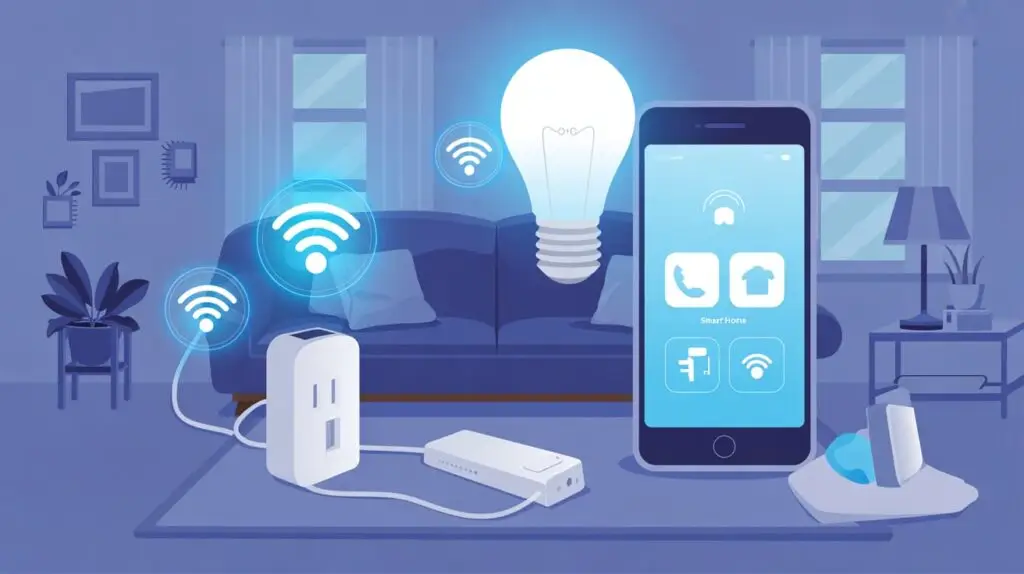
My Research Findings: This niche seems to be growing incredibly fast. I found a [Statista report] predicting the market will cross $140 billion by 2025. The products are often small and impulse-friendly, like smart bulbs or plugs. I checked sourcing costs and saw items for as low as $3-$5.
My Takeaway: The potential for upsells and cross-sells (e.g., a customer who buys a smart bulb might later buy a smart plug) seems very high here. However, my research also showed a key challenge: compatibility issues, like different plug types for different countries. A beginner would need to be very clear about this in their product descriptions to avoid returns.
6. Beauty and Skincare Tools

My Research Findings: This is another evergreen market that appears to be heavily influenced by fast-moving social media trends on TikTok and Instagram. My research showed that tools like LED facial masks or gua sha rollers are very popular. I found that the profit margins can be quite high, for example, a $20 sourced mask selling for nearly $70.
My Takeaway: The key to success here, according to many sources I read, is trust and quality. Selling a low-quality product that could harm someone’s skin seems like a huge risk. For a beginner, finding a verified, high-quality supplier would be the most important step.
7. Fitness and Outdoor Gear

My Research Findings: My research shows that the trend of home fitness is still going strong, with sales well above pre-pandemic levels. The best entry point for a new dropshipper seems to be lightweight and easy-to-ship products like resistance bands or camping hammocks. Bundling items into a “Home Gym Starter Kit” also appears to be a popular and profitable strategy.
My Takeaway: The main challenge here seems to be with bulky items, where shipping and returns could become very expensive and complicated. Starting with small, lightweight gear seems like the smartest approach for a beginner.
8. Baby and Parenting Products

My Research Findings: This is a huge, evergreen market where, according to data I found, parents consistently spend a lot of money. It seems that for parents, the safety and peace of mind a product offers are more important than the price itself. I saw examples of baby monitors sourced for around $30 being sold for nearly $90.
My Takeaway: This niche has a very high standard for trust and safety. My research stressed the importance of having safety certifications for toys and gadgets. For a beginner, working with a highly verified and trusted supplier would be absolutely essential to avoid legal issues.
9. Tech Accessories for Gen Z
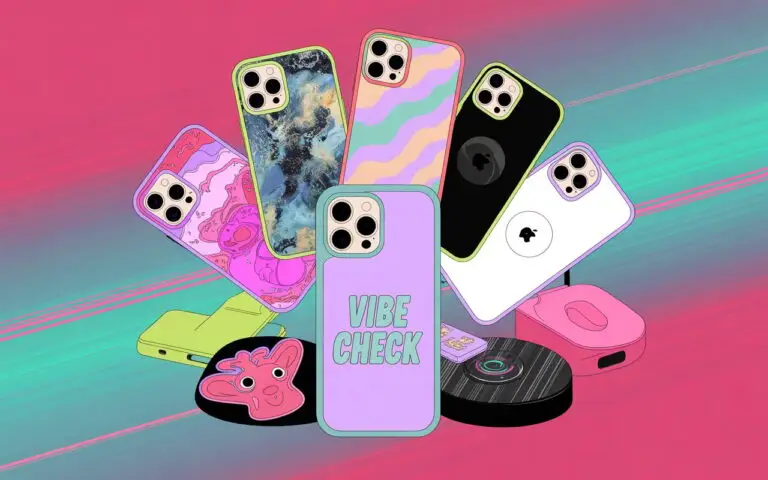
My Research Findings: This niche is all about fast-moving trends and pop culture. My research confirmed that Gen Z is a huge consumer group that loves unique, trendy, and affordable accessories. I found case studies of stores that went viral on TikTok selling things like anime-style phone cases.
My Takeaway: The barrier to entry seems low, but the challenge is that trends die out very quickly. This model appears to require constant product testing and being very active on social media to stay ahead of the curve.
10. Hobby and DIY Niches

My Research Findings: This is a massive and passionate market. I researched ideas like painting kits, resin art supplies, and home gardening tools. A key finding was that this niche is excellent for organic marketing. For example, I found case studies of sellers who built a large audience by creating simple YouTube or Pinterest tutorials using their own kits, which then drove sales to their Shopify store.
My Takeaway: This seems like a great way to build a brand without spending a lot on paid ads, but it requires focusing on one specific hobby to build a real, engaged community.
Frequently Asked Questions (FAQs)
1. Aren't popular niches like pets or beauty already too saturated?
This was my biggest question too during my research. What I learned is that while these niches are competitive, “saturated” doesn’t mean “impossible.” My research showed that the key to success is to sub-niche. For example, instead of a general “pet accessories” store, you could open a store for “eco-friendly toys for small dogs.” By targeting a very specific audience, you can stand out from the competition.
2. How much money (investment) is needed to start a new dropshipping store?
This is a really important practical question. Based on my research from various blogs and YouTube videos, a realistic starting budget seems to be between $200 – $500. This is how I’ve seen it broken down: a Shopify plan, a domain name, a small budget for sample products to test quality, and an initial ad budget for testing. The biggest advantage of dropshipping, I found, is the low startup cost compared to a traditional business.
3. After setting everything up, how long does it take to get the first sale?
My research shows that there’s no single answer to this. I’ve read stories of people getting their first sale within 48 hours of running their first ad. I’ve also read about others who took a few weeks to test different products before finding a winner. The main takeaway I’ve gathered is that patience and data analysis are crucial. The viral success stories are rare; the real path seems to be calmly analyzing your data and making improvements.
My Final Thoughts on This Research
After looking into these 10 niches, my main conclusion is that dropshipping is definitely not dead in 2025. However, my research shows that success isn’t about chasing random viral products.
For me, as a beginner, the evergreen categories like sustainable products, pets, and wellness feel like the safest and smartest places to start. My research shows that these niches have stable demand and the potential to build a loyal customer base.
My personal plan now is to choose one of these evergreen niches and begin the product validation process. To be honest, after all this research, I am most excited about the Pet Accessories niche, so I will likely start my product validation process there.
Disclaimer:
The information provided in this article is for educational and informational purposes only. The results from online earning strategies can vary greatly and depend on individual effort, market conditions, and other factors. Please do your own research before making any financial or business decisions.

Mehra
Mehra is the founder of EarnGears.com, a platform where he is documenting his live journey of building an online income stream from scratch. He is experimenting with blogging, SEO, and AI tools, and shares all his learnings – both successes and failures – with his fellow beginners. Join him on this journey to learn and grow together.