Testing 5 Passive Income Apps in 2025 (My Beginner's Journey)

The idea of generating income without constant work is appealing for anyone eager to build financial freedom. In 2025, dozens of apps promise passive earning, but many come with hidden catches or unrealistic claims. Instead of chasing overnight success, this public experiment aims to separate hype from genuine opportunities by testing five trending passive income apps commonly mentioned by reviewers and real users. This approach suits absolute beginners with limited funds and zero technical expertise.
1. Honeygain: My Experiment with Bandwidth Sharing
What Makes It Interesting
For those wary of complicated side hustles, Honeygain stands out for offering a true “set and forget” model. After a quick install, the app runs quietly in the background, monetizing excess internet bandwidth. Such apps typically appeal to people who have reliable Wi-Fi and want to offset their monthly expenses with minimal effort. According to user feedback and safety recommendations, Honeygain has earned trust by prioritizing privacy and device security.
My Testing Plan
- Install Honeygain on one primary device to measure potential earnings with average home internet speed.
- Allow the app to run continuous for three months, tracking total data shared and payout rate.
- Prepare a follow-up with stats and opinion on whether it’s worthwhile for new users in today’s market.
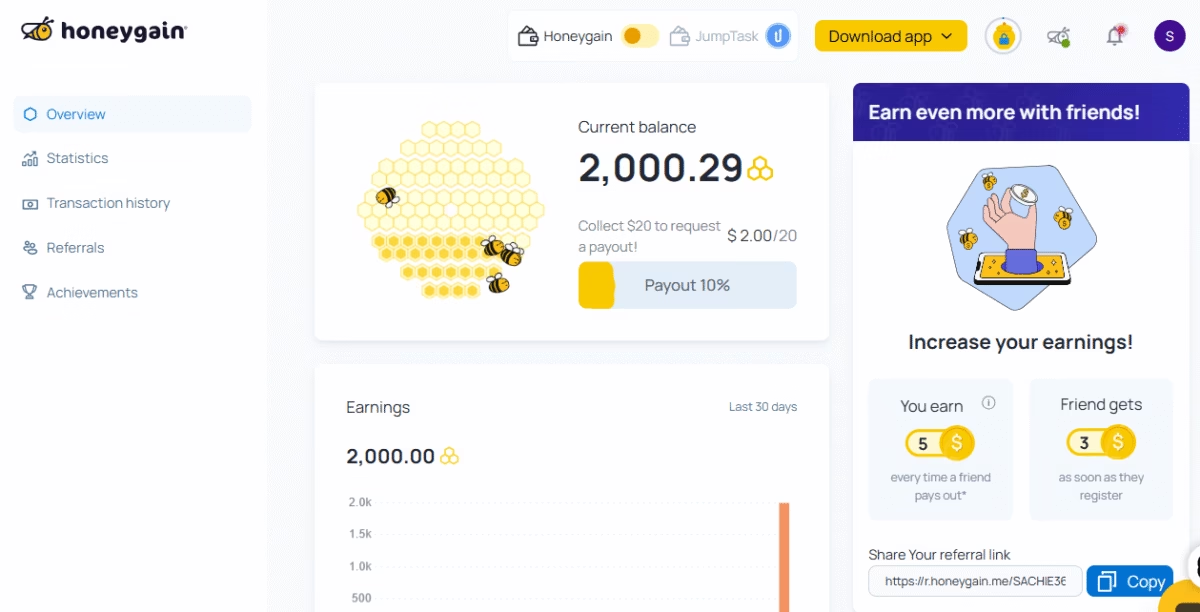
I have installed Honeygain by following my plan. This is the first screenshot of my dashboard. As you can see, the starting balance is currently 2,000 credits (ie $2.00). I plan to run it for 3 months and then share its final result and real earnings with you.
2. Acorns: My Plan to Start Micro-Investing
My Plan to Get Started with Acorns
Acorns is popular for reducing barriers to investing, letting users start portfolios with “spare change” instead of lump sums. Its automated investing and “Round-Ups” feature make it accessible-even to those anxious about market volatility or technical trading terms. Portfolio choices include diversified funds, real estate trusts, and simple bonds designed for gradual, steady growth.
My Testing Plan
- Open a basic Acorns account and link a primary debit card.
- Set initial deposit of $50 and activate auto-investment via Round-Ups.
- Track six months of portfolio performance to evaluate if micro-investing really builds wealth, or if fees and market swings negate the passive aspect.
How to Get Started
- Download the Acorns app
- Link your debit/credit card
- Choose a portfolio (e.g., Moderate or Aggressive)
- Enable the “Round-Ups” feature
3. Printful: My Goal to Launch a Simple T-Shirt Design
Print-on-Demand for Creatives
Printful helps creators monetize digital art without any upfront inventory or shipping work. With demand for personalized “work from home” gear rising, launching even a single design can be a chance to test product-market fit and e-commerce basics. The process, from integration with Etsy to social promotion, is manageable for those with basic design skills and willingness to experiment.
My Testing Plan
- Develop one fun T-shirt graphic using free design tools.
- Launch a Printful/Etsy storefront and work through onboarding, listing, and order management.
- Share results, breaking down actual sales data, setup challenges, and marketing learnings.
4. PeerStreet: My Research on Real Estate Crowdfunding
Exploring the Crowdfunding Model
PeerStreet and similar platforms allow investors to buy shares in real estate-backed loans—a way to participate in property markets without large capital. However, legal limits mean only “accredited investors” in the US can access these platforms, blocking most beginners. Still, keeping an eye on crowdfunding trends can prepare future opportunities when eligibility requirements change or new global platforms launch.
Summary Insight
This option is currently out of reach for most readers, but it signals the growing popularity of fractional property investing, especially among younger and tech-savvy audiences.
5. Kagi: My Research on "Get-Paid-To-Search"
Privacy Plus Rewards—But Read the Fine Print
Some search engines claim to reward users for browsing, offering crypto or cash as an alternative to big tech ad models. With Kagi, however, rewards are tied to paid subscriptions, so users offset costs rather than reliably earn new income. Genuine passive income apps should provide net gain, not just perks for using a paid service.
Summary Insight
Kagi’s privacy and user-first approach are refreshing, but in practical terms, it may not suit initial passive income goals. Apps that add real money, rather than offset existing spend, will be prioritized in this experiment.
Closing Note
Each app in this experiment was picked for its reputation, accessibility, and beginner-friendliness. Over the next few months, transparent reviews and results will be shared here—spotlighting both wins and missed expectations so others can make informed decisions and discover genuine passive earning opportunities for themselves.
Disclaimer:
I am not a financial advisor. This post documents my personal research and my plan to experiment with these apps as a beginner. The information shared here is for educational purposes only and should not be considered financial advice. Please conduct your own research before using any financial app or service.
About The Author

Mehra
Mehra is the founder of EarnGears.com, a platform where he is documenting his live journey of building an online income stream from scratch. He is experimenting with blogging, SEO, and AI tools, and shares all his learnings – both successes and failures – with his fellow beginners. Join him on this journey to learn and grow together.
Further Reading